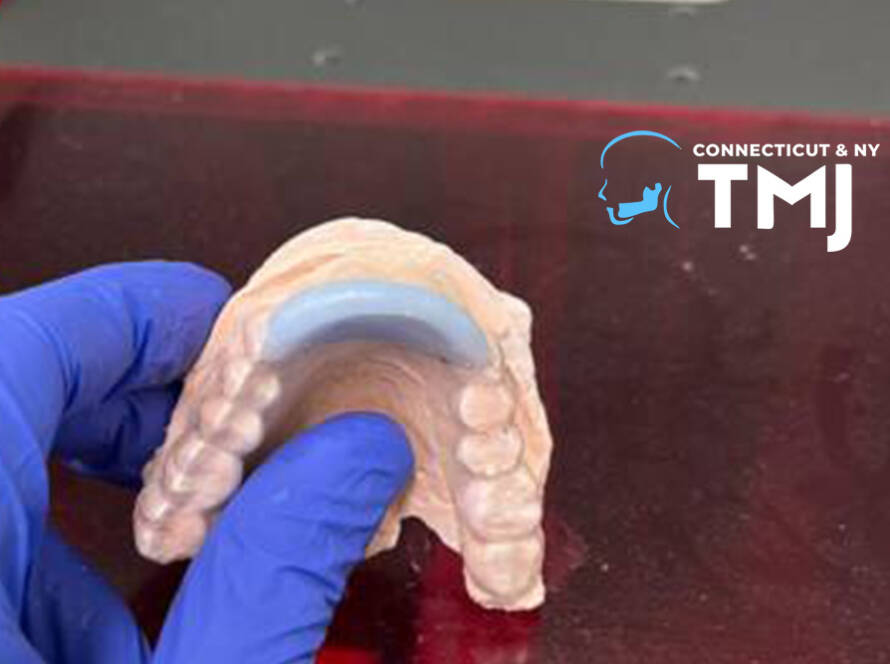
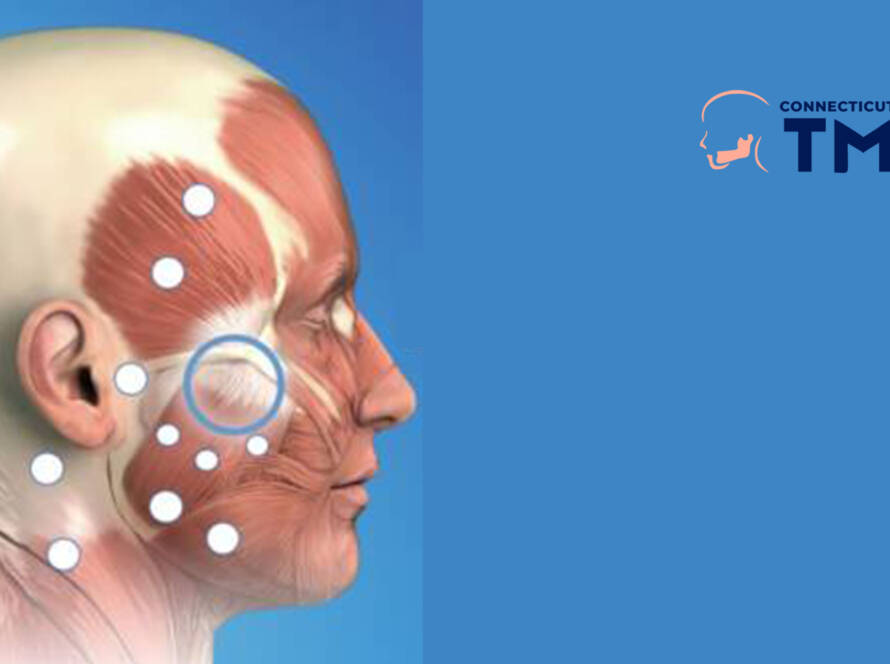
TMJ disorder, a condition affecting the temporomandibular joint, can be a frustrating and painful experience. Whether you’re experiencing mild discomfort or severe pain, understanding the range of treatment options available is crucial.
What is TMJ Disorder?
TMJ disorder, or temporomandibular joint disorder, refers to a group of conditions that cause pain and dysfunction in the jaw joint, muscles, and/or nerves controlling jaw movement. This joint, located on each side of the head in front of the ears, is crucial for activities like chewing, talking, and yawning.
Causes and Symptoms
The exact cause of TMJ disorder is often difficult to determine. It can stem from multiple factors including jaw injuries, arthritis, genetic predisposition, or bruxism (teeth grinding). Factors such as immune dysfunction, life events, nutrition, trauma, other medical conditions etc, can play a role in a small subset of patients. Symptoms vary widely but commonly include jaw pain, ear pain and discomfort, difficulty chewing, clicking or popping sounds in the jaw, teeth pain, teeth sensitivity, and headaches.
The Impact of TMJ on Daily Life
TMJ disorder can significantly disrupt daily activities in a small number of patients. In the majority of cases, TMJ disorders are self-limiting and do not require significant treatment. When TMJ disorders are accompanied by chronic pain, difficulty in eating, and even sleep disturbances are common, it is essential to address the condition promptly and effectively.
Myth regarding TMJ disorders: TMJ clicking leads to major issues
TMJ clicking is a common finding in the general population (about 30-35% of people) and in the majority of these (>90%) cases, it is a benign presence. Research has found that clicking mostly does not lead to joint arthritis or pain or locking. Clicking when accompanied by limitation in jaw movement or severe jaw pain may require treatment intervention.