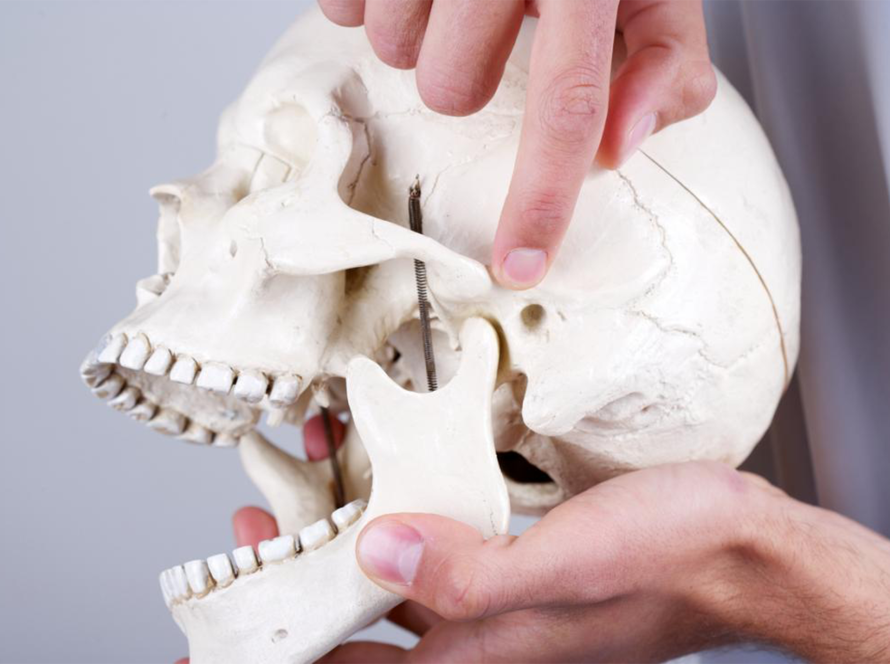
TMJ Disorders Affect Your Sleep: If that sounds familiar, your jaw might actually be part of the problem.
TMJ disorders (issues with your jaw joint and surrounding muscles) don’t just affect you during the day—they can quietly disrupt your sleep, too.
So, What’s Going On?
Your jaw joint is connected to muscles in your face, head, and neck. When those muscles are tense or overworked, they don’t magically relax just because you’re asleep.
Instead, a few things can happen.
Your sleep may feel light or unrefreshing. You may struggle to get comfortable. You might wake up during the night without knowing why.
A Common Culprit: Clenching and Grinding
A lot of people with TMJ issues clench or grind their teeth at night (this is called bruxism). The tricky part? Most people don’t even realize they’re doing it.
It’s basically like your jaw muscles are working overtime while the rest of your body is trying to rest.
That can lead to jaw soreness in the morning, headaches (especially around your temples), and a feeling like your sleep “didn’t count.”
The Frustrating Cycle
Here’s where it gets tricky.
Poor sleep makes your body more sensitive to pain. More pain leads to more tension in your jaw. More tension leads to more clenching or grinding. And that leads right back to poor sleep.
It’s a loop—and it can be hard to break without the right approach.
What You Can Try at Home
The good news? Small changes can make a real difference.
1. Get Comfortable (the Right Way)
Use a pillow that supports your neck—not too high, not too flat.
Try sleeping on your back or side.
Avoid putting pressure directly on your jaw.
2. Help Your Jaw Wind Down
Think of this like a bedtime routine—but for your jaw.
Gently open and close your mouth a few times.
Lightly massage the muscles near your cheeks and temples.
Let your teeth rest slightly apart (not touching).
3. Set Yourself Up for Better Sleep
Go to bed at the same time each night.
Cut back on caffeine later in the day.
Give yourself time to relax before bed (less screen time helps!).
When It’s Time to Get Help
If you’re still waking up in pain or feeling exhausted, you don’t have to just push through it.
A healthcare provider can help you figure out what’s going on and guide you toward the right treatment.
Some common options include custom night guards to reduce clenching, physical therapy to relax and strengthen jaw muscles, and stress management strategies if tension is a big factor.
Why This Matters
When your jaw feels better, your sleep usually does too.
That means deeper, more restful sleep, fewer headaches and less jaw pain, and more energy during the day.
And honestly—that can make a huge difference in how you feel overall.
Final Thought
If you’ve been dealing with jaw pain and poor sleep, it’s not “just in your head”—and it’s not something you have to live with.
Your jaw and your sleep are connected. Once you start addressing both, things can really start to improve.