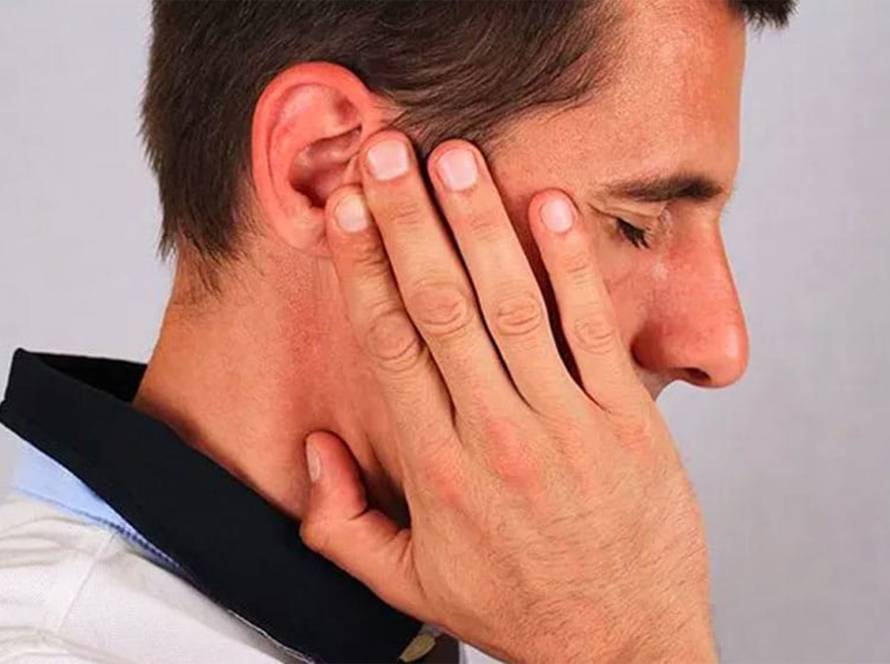
You know that feeling when your ear just won’t stop ringing, or it feels plugged up? It’s incredibly frustrating. But sometimes, those symptoms aren’t coming from the ear itself. The source can actually be your jaw.
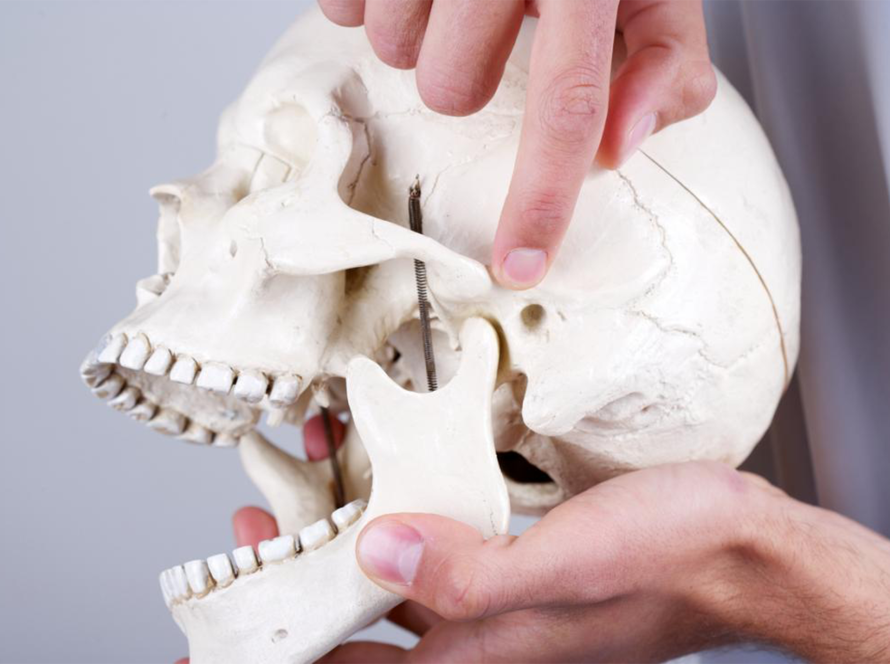
The temporomandibular joint (TMJ) — the joint that connects your lower jaw to your skull — sits just in front of your ear. Because of how close it is to the ear, and because it shares nearby muscles and nerve pathways, problems with this joint can sometimes cause ear-related symptoms. This article explores how jaw issues may contribute to ear pain, tinnitus, and a feeling of fullness, what signs to watch for, and when to seek care.
So, how do you tell if it’s your TMJ acting up? It’s all about paying attention to the patterns. If your ear symptoms seem to change or get worse when you move your jaw, that’s a pretty strong clue.
Think about these common signs:
* Ear Fullness or Pressure: This often feels like you’re on an airplane or underwater, and it doesn’t go away even if you yawn or swallow. It’s like your ear is constantly plugged.
* Tinnitus: That persistent ringing, buzzing, or even a whooshing sound in your ears can be a big indicator. Does the sound change when you chew or clench your jaw? That’s a tell-tale sign.
* Pain: It might not feel like a typical earache deep inside. Instead, it could be a dull ache or pressure just in front of or below your ear. Sometimes it’s sharp and comes and goes, especially when you’re talking, chewing, or even just opening your mouth wide.
* Dizziness or Balance Issues: Believe it or not, TMJ problems can sometimes mess with your sense of balance, making you feel a bit lightheaded or even dizzy.
* Hearing Changes: In some cases, people notice their hearing seems muffled or less clear, and this can fluctuate.
It’s easy to get stuck in a loop, visiting different doctors for your ear issues only to be told your ears look fine. This is where looking beyond the ear itself becomes so important. The connection between the jaw and the ear is direct, and when that joint is stressed or inflamed, it can send signals that feel exactly like an ear problem.
The Role of Dental Professionals in Diagnosis
Since TMJ disorders are related to your jaw and bite, dentists, especially those who focus on TMJ issues, are often the best people to figure this out. They’re trained to look at how your jaw joint functions, how your teeth fit together, and the muscles in your head and neck. They’ll ask you a lot of questions about your symptoms and when they happen. They’ll also do a physical exam, checking your jaw’s range of motion, feeling for tenderness, and listening for any clicking or popping sounds.
Advanced Imaging for Precise Assessment
Sometimes, a physical exam isn’t quite enough to see exactly what’s going on inside the jaw joint. That’s where special imaging comes in handy. Techniques like 3D Cone Beam CT (CBCT) scans or even MRIs can give dentists a really detailed look at your TMJ. These scans can show:
* The exact position of the bones within the jaw joint.
* The condition of the cartilage and discs inside the joint.
* Any signs of inflammation or structural changes.
This detailed information helps pinpoint if the jaw joint itself is contributing to your ear symptoms, allowing for a more targeted and effective treatment plan. It takes the guesswork out of it, which is a huge relief when you’ve been suffering for a while.
Key Takeaways
* The temporomandibular joint (TMJ) is located just in front of the ear and shares nearby muscles and nerve pathways with the ear, which is why TMJ disorders can sometimes produce ear-related symptoms.
* TMJ-related ear pain is often described as a dull ache or pressure around the ear and may worsen with jaw movement such as chewing, talking, or yawning.
* In addition to pain, TMJ disorders can be associated with a sensation of ear fullness, tinnitus (ringing in the ears), and occasionally dizziness. True hearing loss is less common and should be evaluated separately.
* Common contributing factors to TMJ disorders include teeth grinding or clenching (bruxism), jaw injury, arthritis, and stress-related muscle tension.
* If you suspect your ear symptoms may be related to your jaw, evaluation by a dentist, an orofacial pain specialist, an oral and maxillofacial specialist, or another healthcare provider experienced in temporomandibular disorders can help guide appropriate diagnosis and treatment.