Dealing with pain in your face, jaw, or mouth can be really tough. It can mess with eating, sleeping, and just about everything else. Sometimes, the pain you feel in your face might actually be linked to something like a migraine. It’s a connection that many people don’t realize, and it can make finding the right help a real challenge. This article is going to break down what orofacial pain migraines are, what might cause them, what to look out for, and how they can be treate
Key Takeaways
- · Orofacial pain involves discomfort in the head, face, jaw, mouth, or neck, and can be linked to headache disorders like migraines and tension type headaches.
- · Migraine headaches can sometimes present as pain in the facial region, mimicking dental or sinus issues, and are often related to the trigeminal nerve. Migraines can be triggered by orofacial pain.
- · The exact cause of Orofacial pain is unknown. Common associations of orofacial pain that can be linked to migraines include temporomandibular disorders (TMD), nerve issues, systemic conditions, and movement disorders.
- · Accurate diagnosis is key, involving a detailed patient history, physical checks, and sometimes imaging, to understand the source of orofacial pain.
- · Treatment for orofacial pain can range from simple remedies and lifestyle changes to more involved medical treatments and interventions.
Understanding Orofacial Pain Headaches
Orofacial pain, a term that might sound a bit technical, basically refers to any discomfort felt in the mouth, jaws, face, or the surrounding head and neck areas. It’s a broad category, and honestly, it can really throw a wrench into your daily life, making simple things like eating, talking, or even just concentrating feel like a huge challenge. The tricky part is that pinpointing the exact cause can be tough, and many people find themselves bouncing between different specialists without getting clear answers. This is where understanding the connection between orofacial pain and headaches becomes really important.
Defining Orofacial Pain
Orofacial pain is essentially any pain that occurs in the structures of the face, mouth, and jaw. It’s not just a simple toothache or a headache; it can stem from a variety of issues, including behaviors, sleep disorders, problems with the temporomandibular joints (the joints that connect your jawbone to your skull), nerve irritation, or even broader systemic conditions. Symptoms can be quite varied, ranging from a dull ache or tenderness in the jaw to sharp, shooting pains in the face, burning sensations, or even unexplained tooth pain or ear pain. Sometimes, you might experience clicking or locking of the jaw, or facial muscle spasms. It’s a complex area because the pain can originate from different sources, and it often requires a specialist to figure out exactly what’s going on.
The Headache Connection
It might not be immediately obvious, but headaches and orofacial pain are often linked. While we typically think of migraines as severe headaches, they can sometimes manifest as pain specifically in the facial region, often in the lower two-thirds of the face. This type of facial pain, sometimes called orofacial migraine, can be so isolated that it doesn’t always come with the typical headache symptoms. This can lead to confusion, with people mistaking it for dental problems or sinus issues. What’s interesting is that conditions like temporomandibular disorders (TMD) and headaches frequently occur together. When TMD is present, it can actually make migraines worse or even contribute to them becoming chronic. So, if you’re experiencing facial pain, it’s definitely worth considering if a migraine might be playing a role.
Symptoms of Orofacial Pain Headaches
When a migraine affects the face, the symptoms can be a bit different from a classic headache. You might experience:
· Unilateral Pain: The pain is usually on one side of the face.
· Throbbing or Pulsating Quality: Similar to a typical migraine, the pain often feels like a deep, throbbing sensation.
· Moderate to Severe Intensity: The pain is generally not mild; it can be quite intense.
· Facial Location: While it can occur anywhere on the face, it’s often felt in the midface, around the jaw, or even mimicking tooth pain.
· Associated Symptoms: You might also notice symptoms like tearing or redness of the eye, nasal congestion, eyelid swelling, or facial flushing on the affected side. These are sometimes called autonomic symptoms.
· Mimicking Other Conditions: The pain can feel very much like a sinus infection or a dental problem, which is why it’s often misdiagnosed.
It’s important to note that while typical migraines can have associated symptoms like sensitivity to light or sound, or nausea, these might not always be present or as prominent in orofacial migraines. Sometimes, the facial pain can be the only symptom, making diagnosis a real challenge.
Common Causes of Orofacial Pain Headaches
When you’re dealing with pain in your face, jaw, or mouth, it’s easy to assume it’s a dental issue or maybe a sinus problem. But sometimes, the source is a bit more complex, and it can even be linked to headaches (migraines or tension type headaches). Let’s break down some of the common culprits behind these tricky orofacial pain migraines.
Temporomandibular Disorders (TMD)
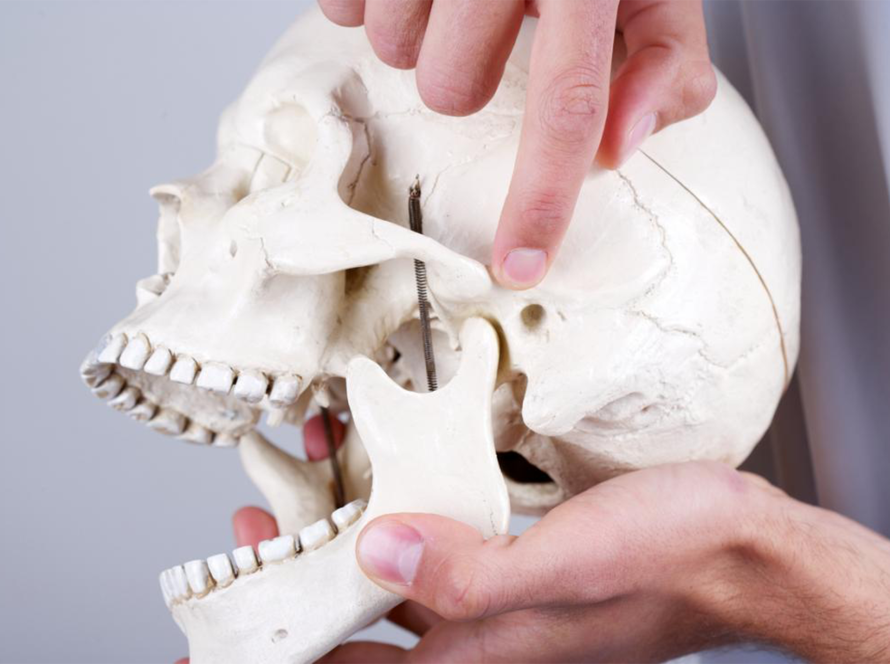
Think of your temporomandibular joints (TMJs) as the hinges for your jaw. They connect your skull to your lower jaw and are super important for chewing, talking, swallowing and even yawning. When these joints, or the muscles around them, aren’t working right, it’s called a temporomandibular disorder, or TMD. This is one of the most frequent reasons for pain in the face and jaw area. It can feel like a dull ache, sharp pain, or even a clicking or popping sound when you move your jaw. Sometimes, the pain from TMD can spread, showing up as headaches, earaches, or even tooth pain, which is why it can be mistaken for other issues. It’s more common in women, and things like teeth grinding (bruxism), stress, or even arthritis can play a role.
Nerve-Related Pain Syndromes
Our faces are packed with nerves, and when one of them gets irritated or damaged, it can cause some serious pain. The most well-known is trigeminal neuralgia. This condition causes sudden, sharp, electric-shock-like pain in the face. It can be triggered by everyday things like touching your face, brushing your teeth, or even a light breeze. The pain is usually on one side of the face and can be incredibly intense, making even simple activities difficult. It’s a real challenge to manage because the pain can be so unpredictable.
There are other nerve-related pain syndromes like glossopharyngeal neuralgia, post-herpetic neuralgia etc which are very rare.
Neuropathic pain and burning mouth syndrome involve pain that is ill defined and a constant (or near constant pain) in the mouth or face or both.
Systemic and Inflammatory Conditions
Sometimes, the pain in your face is a sign of a larger issue happening in your body. Certain autoimmune diseases or inflammatory conditions can affect the tissues in your jaw and face. Conditions like fibromyalgia, rheumatoid arthritis (especially if it affects the TMJ), lupus, or chronic fatigue syndrome, Ehler Danlos Syndrome etc can all contribute to orofacial pain. In these cases, the facial pain is just one piece of a bigger puzzle, and it often requires a team approach with specialists like rheumatologists to manage effectively. Collaboration between different medical professionals is key here.
Orofacial Movement Disorders
This category covers issues where the muscles in your face, jaw, or mouth move in ways they shouldn’t. We’re talking about involuntary movements or muscle spasms. Conditions like oromandibular dystonia, which causes involuntary jaw or tongue movements, or tardive dyskinesia, which can lead to repetitive facial movements (sometimes as a side effect of certain medications), fall into this group. These disorders can cause pain, make it hard to chew or speak, and can be quite distressing. They’re often misdiagnosed, so getting the right diagnosis is super important for proper treatment.
It’s important to remember that pain in the face or jaw isn’t always straightforward. What feels like a toothache might actually be referred pain from a muscle, or a symptom of a nerve issue or even a migraine. Understanding these different causes is the first step toward finding relief. If you’re experiencing persistent orofacial pain, don’t hesitate to seek professional help from a specialist who understands these complex conditions. They can help figure out the true origin of your discomfort and guide you toward the right treatment plan. For more information on how headaches and oral health issues interact, you can check out how headaches and oral health.
Recognizing the Symptoms
Figuring out if your facial pain is actually an orofacial pain migraine can be tricky. It’s not always a straightforward headache. The pain can show up in different ways, and sometimes it feels like something else entirely, like a toothache or sinus problem. Paying close attention to the details of your pain and any other weird things happening is key to getting the right diagnosis.
Facial Pain Characteristics
The pain itself can be described in a bunch of ways. It might feel like a dull ache, a constant throbbing, or even a sharp, burning sensation. Sometimes, people describe it as feeling like electric shocks or a tingling that just won’t quit. It’s also helpful to note where exactly the pain is. Is it in your jaw, your cheek, your forehead, or all over? Knowing these details can give your doctor a better idea of what’s going on.
Here are some common ways people describe the pain:
· Dull ache
· Throbbing
· Burning
· Sharp, stabbing
· Tingling or pins and needles
· Electric shock-like
Associated Neurological Symptoms
Orofacial pain aren’t just about the pain in your face. You might notice other symptoms too, often before the pain even starts. These can include:
· Changes in vision: This could be seeing flashing lights, zigzag lines, or blind spots. This is often called an aura.
· Sensitivity: You might become extra sensitive to light, sounds, or even smells.
· Nausea or vomiting: Feeling sick to your stomach is pretty common.
· Fatigue: Feeling unusually tired or run down.
· Difficulty concentrating: It can be hard to focus on tasks.
· Yawning: Frequent yawning can sometimes be a sign.
Pain Mimicking Dental or Sinus Issues
This is where things get really confusing. The pain from an orofacial pain can feel a lot like other common problems. You might think you have a cavity or a sinus infection because the pain is in the same general area. For example, pain in the upper teeth or cheek could easily be mistaken for a dental issue. Similarly, pressure or pain around the eyes and forehead might make you think of a sinus problem. It’s important to remember that if these symptoms don’t clear up with typical dental or sinus treatments, it might be worth exploring the possibility of an orofacial pain migraine. Don’t hesitate to get a second opinion if something just doesn’t feel right.
It’s easy to get stuck thinking your pain is just one thing, especially when it feels so localized. But orofacial pain can be sneaky, presenting symptoms that overlap with other conditions. Keeping an open mind and describing all your symptoms, even the ones that seem unrelated, is super important for getting to the bottom of it.
The Role of the Trigeminal Nerve
The trigeminal nerve, also known as the fifth cranial nerve, is a major player when it comes to sensations in your face. It’s responsible for transmitting sensory information from your face, including your scalp, forehead, eyes, nose, mouth, and jaw, to your brain. Think of it as the main communication line for anything you feel on the front of your head. When this nerve gets irritated or overactive, it can lead to some pretty intense pain, which is why it’s so closely linked to orofacial pain migraines.
Trigeminal Nerve Pathway
The trigeminal nerve has three main branches, or divisions, that cover different parts of your face:
· Ophthalmic (V1): This branch covers the upper face, including your forehead, scalp, and the front of your head. It also handles sensation from your eyes and the upper part of your nose.
· Maxillary (V2): This one deals with the middle part of your face. It provides sensation to your cheeks, upper lip, upper teeth, and the roof of your mouth.
· Mandibular (V3): This branch covers the lower face, including your jaw, lower teeth, tongue, and parts of your ear.
These branches all meet at the trigeminal ganglion, a cluster of nerve cells, before sending signals to the brainstem. The way these pathways are organized means that pain signals can sometimes spread or be felt in areas that aren’t directly affected, which is a key feature of migraines.
Nerve Irritation and Pain Referral
When the trigeminal nerve or its branches become irritated, it can trigger a cascade of pain signals. This irritation can stem from various sources, like inflammation, injury, or even pressure on the nerve. What’s interesting, and often confusing, is how this irritation can lead to pain that seems to show up in different places than where the problem started. This is called pain referral. For instance, issues with the dura mater, the protective covering of the brain, which is heavily innervated by the trigeminal nerve, can cause frontal headaches. Similarly, problems in the jaw or teeth, which are served by the V2 and V3 branches, can sometimes refer pain to other parts of the face or even the head.
The intricate network of the trigeminal nerve means that a problem in one area can easily trigger sensations in another. This interconnectedness is a significant reason why orofacial pain can be so complex and difficult to pinpoint.
Impact on Orofacial Migraine
The trigeminal nerve’s role is particularly significant in orofacial pain migraines. It’s believed that in many cases, the migraine process itself involves the trigeminal nerve system. When this system is activated, it can lead to the release of inflammatory substances around the nerve, causing pain and other symptoms. This activation can also trigger neurogenic inflammation, a process where nerve signals cause inflammation in surrounding tissues. This is why treatments that target the trigeminal nerve, such as certain medications or nerve blocks, can be effective in managing these types of migraines. If you suspect you might be experiencing symptoms related to the trigeminal nerve, it’s a good idea to consult with a specialist who understands these complex headache disorders.
Here’s a quick look at how different branches can be involved:
| Branch | Primary Area of Sensation | Potential Referral Pain Areas |
| V1 | Forehead, scalp, eyes | Front of head, temples |
| V2 | Cheeks, upper teeth, nose | Jaw, teeth, ears, temples |
| V3 | Jaw, lower teeth, tongue | Teeth, ears, neck, temples |
Diagnostic Approaches
Figuring out if your facial pain is actually a migraine can be tricky. It’s not always as straightforward as a typical headache. Doctors need to do some detective work to get it right.
Comprehensive Patient History
This is where it all starts. Your doctor will want to hear everything about your pain. They’ll ask about:
· Where exactly you feel the pain.
· What the pain feels like (throbbing, sharp, dull).
· How long the pain lasts.
· How often these episodes happen.
· Any other symptoms you experience, like nausea, sensitivity to light or sound, or even changes in vision.
· What makes the pain better or worse.
· Your personal and family history of headaches or migraines.
The goal is to paint a detailed picture of your experience. This information helps rule out other conditions and point towards a migraine diagnosis.
Physical Examination Techniques
After talking with you, your doctor will likely do a physical exam. This isn’t just about checking your head and neck. They’ll look for:
· Tenderness in facial muscles or the jaw joint.
· Any signs of nerve irritation.
· Your range of motion in your jaw.
· General neurological function, like reflexes and sensation.
· Diagnostic injections
Sometimes, specific maneuvers might be used to try and reproduce your pain, which can give clues about the cause.
Imaging and Diagnostic Tests
Often, imaging isn’t strictly necessary to diagnose orofacial migraines, especially if the history and physical exam are pretty clear. However, tests might be ordered to rule out other issues that could be causing similar pain. These could include:
· MRI (Magnetic Resonance Imaging): This can show detailed images of your brain and surrounding tissues, helping to spot structural problems or other neurological conditions.
· CT (Computed Tomography) Scan: Useful for looking at bone structures (arthritis, bone cysts) and can sometimes help identify sinus issues or other problems in the facial bones.
· X-rays: Might be used to examine the temporomandibular joint (TMJ) if jaw problems are suspected.
It’s important to remember that diagnostic tests are usually about exclusion. They help confirm that it’s not something else, which then strengthens the likelihood that it is a migraine or a related condition. The process is about gathering enough evidence to make the most accurate diagnosis possible.
Treatment Strategies for Orofacial Pain
Dealing with orofacial pain migraines can feel like a constant battle, and finding the right way to manage it is key. It’s not just about popping a pill; it’s about a whole approach to get things under control. The good news is there are several paths you can take, and often, a combination works best.
Therapeutic Options
These are usually the first things tried because they’re generally low-risk and can make a real difference. Think of them as the foundational steps in your treatment plan.
· Physical Therapy: Working with a physical therapist can help address muscle imbalances, improve posture, and teach you exercises to strengthen and stretch the muscles in your face, jaw, and neck. This is especially helpful if TMD is a factor.
· Oral Appliances/Orthotics: Devices like custom-fitted mouthguards or splints can be really useful, particularly if you grind or clench your teeth. They help protect your teeth and can reduce strain on your jaw joint. Sometimes, a simple device which is well fitting and separates the upper and lower teeth while other times, a more complex device is needed which reduces strain in the jaw joint and redistributes muscle forces.
· Behavioral Therapies: Techniques like biofeedback, cognitive behavioral therapy (CBT), or mindfulness can help you manage stress and pain perception. Learning to recognize and manage triggers is a big part of this.
Interventional Pain Management
When conservative methods aren’t quite enough, or for more severe cases, interventional techniques come into play. These are often performed by specialists and can offer more direct relief.
· Trigger Point Injections: Small amounts of anesthetic or corticosteroid are injected directly into tight, painful muscle knots (trigger points) in the face or jaw. This can quickly ease muscle pain and spasms.
· Nerve Blocks: Medications are injected near specific nerves involved in transmitting pain signals from the face. This can temporarily interrupt the pain pathway, providing significant relief.
· Botulinum Toxin (Botox) Injections: For certain types of chronic facial pain and muscle spasms, Botox can be injected into specific muscles to relax them and reduce pain.
Medication and Pharmacological Treatments
Medications play a role, but it’s important to use them as prescribed and often in conjunction with other therapies. The goal is to manage pain and inflammation effectively.
· Pain Relievers: Over-the-counter options like ibuprofen or naproxen can help with mild to moderate pain and inflammation. For more severe pain, stronger prescription pain medications might be considered, but usually for short periods.
· Anticonvulsants: Medications like gabapentin, pregabalin, oxcarbazepine etc. are often used because they can help calm overactive nerves that might be contributing to facial pain.
· Antidepressants: Certain types of antidepressants, even if you’re not feeling depressed, can help manage chronic pain by affecting brain chemicals that influence pain signals.
· Migraine-Specific Medications: If your orofacial pain is directly linked to migraines, specific migraine medications like triptans or CGRP inhibitors might be prescribed.
It’s really important to remember that treatment plans are highly individual. What works wonders for one person might not do much for another. This is why working closely with a healthcare provider who specializes in orofacial pain is so important. They can help figure out the exact cause of your pain and tailor a treatment strategy that fits your unique situation.
Lifestyle Modifications and Self-Care
Beyond medical treatments, making changes to your daily life can have a big impact. These are things you can actively do to help yourself.
· Dietary Adjustments: Keeping a food diary can help identify potential dietary triggers that might be contributing to your migraines or pain. Common culprits can include aged cheeses, processed meats, caffeine, and alcohol.
· Sleep Hygiene: Aim for consistent, quality sleep. Poor sleep can be a major trigger for migraines and can worsen pain perception.
· Stress Management: Finding healthy ways to cope with stress is vital. This could involve regular exercise, meditation, yoga, or simply making time for hobbies you enjoy.
· Jaw Rest: Try to avoid activities that put excessive strain on your jaw, like chewing gum, biting hard foods, or wide yawning.
Wrapping Up: Finding Your Way Through Orofacial Pain
So, we’ve talked about how pain in your face, jaw, or mouth can be tricky. It’s not always a simple toothache or sinus issue. Sometimes, it’s linked to bigger things like migraines, nerve problems, or even body-wide conditions. The main takeaway here is that if you’re dealing with persistent orofacial pain, don’t just keep going to different specialists hoping for an answer. It’s really important to find someone who focuses specifically on this kind of pain. An orofacial pain specialist can look at the whole picture, figure out what’s really going on, and help you find a treatment plan that actually works, so you can get back to feeling like yourself again.
Frequently Asked Questions
- What exactly is orofacial pain?
Orofacial pain is any ache or hurt felt in your mouth, jaw, face, or the parts of your head and neck connected to them. It’s a broad term that covers many different issues, not just toothaches. - How can a migraine cause pain in my face or jaw?
Sometimes, migraines can cause pain that feels like it’s in your face, jaw, or teeth, even if the main headache is elsewhere. This is because the same nerves that cause head pain can also send pain signals from your face. - What are some common causes of orofacial pain that might feel like a migraine?
Common causes include problems with your jaw joint and muscles (like TMD), issues with nerves in your face (like trigeminal neuralgia), or even some body-wide conditions like fibromyalgia. Migraines themselves can also show up as facial pain. - What are the signs that my facial pain might be a migraine and not a dental problem?
Look for symptoms like throbbing pain, sensitivity to light or sound, nausea, or pain that spreads around your eyes or jaw. Sometimes, facial pain can feel like a sinus infection or toothache but doesn’t respond to treatments for those issues. - Why is the trigeminal nerve important for orofacial pain and migraines?
The trigeminal nerve is like a major highway for pain signals from your face to your brain. When this nerve gets irritated or sends out wrong signals, it can cause intense facial pain and is often involved in migraines. - How do doctors figure out if my facial pain is a migraine or something else?
Doctors will ask a lot of questions about your pain, do a thorough physical check of your face and jaw, and sometimes use imaging like X-rays or MRIs to help pinpoint the cause and make sure they’re treating the right problem.