Medically reviewed by Dr. Brijesh P. Chandwani, DMD, orofacial pain specialist. This article is for general education and is not a diagnosis. Please consult a qualified clinician about your symptoms.
Jaw pain can make everyday activities harder. Meals may become uncomfortable, conversations can tire your jaw, and you may wake with a sore or stiff face.
If you live in Norwalk or nearby Fairfield County, understanding possible causes, warning signs, and treatment options can help you decide what to do next.
This guide explains common causes of jaw pain and what to expect at our Norwalk office.
Common causes of jaw pain
The jaw moves throughout the day for chewing, speaking, and swallowing. Pain can come from several different sources, including:
- Jaw muscle pain: Sore or overworked chewing muscles may be associated with clenching, grinding, stress, or poor sleep.
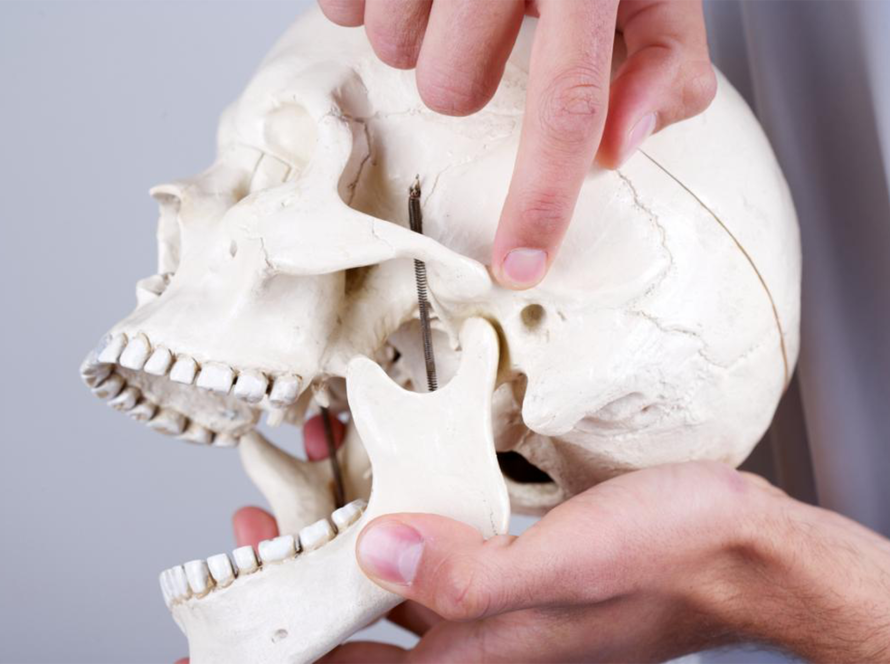
- Temporomandibular disorders (TMD): These conditions affect the jaw joints, the muscles used to move the jaw, or both. They can involve joint inflammation, disc displacement, or arthritis. Learn more on our TMJ disorders page.
- Clenching or teeth grinding: Bruxism during sleep or while awake can place extra strain on the teeth and jaw muscles.
- Dental problems: Cavities, cracked teeth, gum infections, and wisdom teeth can cause pain in or around the jaw.
- Nerve pain: Conditions such as trigeminal neuralgia can cause sharp, electric-like facial pain.
- Headache or neck conditions: Migraine and neck muscle tension can overlap with jaw symptoms.
- Sinus or ear conditions: Problems in these areas may cause pain that is felt in the cheek or jaw.
Symptoms that may be related to TMD or jaw muscle pain
Possible symptoms include:
- Pain near the ear, cheek, or temple that gets worse with chewing
- Clicking, popping, or grating sounds from the jaw joint
- Difficulty opening your mouth wide, or a jaw that sometimes feels stuck
- Morning jaw soreness, headaches, or tooth sensitivity
- A feeling that your bite is “off” during a flare-up
- Ear fullness alongside jaw symptoms
These symptoms can have causes other than TMD. An examination can help determine what may be contributing. Our article on the top signs of TMJ/TMD explains more.
When jaw pain may be an emergency
Jaw pain can sometimes occur with a medical emergency. Call 911 if it occurs with chest pain or pressure, shortness of breath, nausea, a cold sweat, or pain spreading to the arm or back. These can be warning signs of a heart problem.
Seek urgent medical or dental care for a jaw injury that leaves you unable to close your mouth, a jaw locked open, high fever, spreading facial swelling, or difficulty swallowing or breathing.
What to expect at our Norwalk office

Our Connecticut office is located at 83 East Ave, Suite 205, Norwalk, CT 06851. We see patients from Norwalk, Westport, Darien, Wilton, New Canaan, Stamford, and nearby communities.
A first visit focuses on understanding why your jaw hurts. It may include:
- A conversation about your symptoms: Where the pain occurs, when it started, what triggers it, and how sleep, stress, prior treatment, or medical history may relate.
- A physical examination: Assessment of jaw movement, joint sounds, and tenderness in the jaw, head, and neck muscles.
- A dental screening: A check for signs of grinding and obvious dental causes.
- Additional testing or referrals, if needed: Depending on the findings, this may include imaging such as X-rays, CBCT, or MRI, or a referral to another specialist.
You’ll receive an explanation of the findings and a proposed plan. Learn more about how we diagnose jaw pain.
Treatment options for jaw pain
For many jaw muscle and TMD problems, care begins with conservative, reversible approaches. The right plan depends on the likely cause, your symptoms, and your goals. Results vary from person to person.
Self-care

During a flare-up, softer foods, warm compresses, avoiding gum and nail biting, and keeping your teeth apart when you are not eating may help. See our jaw pain self-care tips.
Jaw exercises and physical therapy
Gentle, guided exercises or physical therapy may help improve movement or reduce muscle tension for some people. Our guide to simple TMJ exercises describes common examples. Ask a clinician before starting if your jaw locks or your pain is severe.
Oral appliances
A custom oral appliance may be considered after an evaluation. The type of appliance and its purpose depend on your diagnosis and treatment goals.
Injections
For selected patients with persistent muscle pain, trigger point injections or botulinum toxin injections may be discussed. Your clinician can review potential benefits, limitations, and side effects.
Other approaches
A treatment plan may also include a short course of medication, acupuncture, or attention to sleep and stress. Coordination with your dentist, physician, or therapist may be helpful.
Permanent bite changes and surgery are not typical first steps for TMD. They are considered only for specific diagnoses and circumstances.
Everyday habits that may worsen jaw pain
Some daily habits can put extra strain on the jaw, including:
- Chewing gum or tough foods such as jerky or hard candy
- Clenching while concentrating, driving, or exercising
- Resting your chin on your hand or holding a phone between your ear and shoulder
- Sleeping on your stomach with your jaw pressed into the pillow
- Ongoing poor sleep or high stress; read more about how stress can affect TMJ symptoms
How jaw pain can affect daily life
Jaw pain may affect eating, speaking, and sleep. You might avoid certain foods, eat more slowly, or chew on one side. Long meetings, phone calls, or teaching can feel uncomfortable if talking tires your jaw muscles. Some people also notice tension in the temples, neck, or shoulders.
These effects are valid reasons to seek care, even if the pain seems mild. Tell your clinician how symptoms affect eating, work, and sleep. That context can help shape goals that matter to you, such as chewing comfortably or waking without a sore jaw.
Preparing for your first appointment
A little preparation can make your visit more useful:
- Bring a list of current medications and supplements.
- Note any past jaw injuries, orthodontic treatment, or recent dental work.
- Bring previous imaging reports and any mouthguards or appliances you have used.
- Write down your main questions and what you hope to achieve.
- If possible, keep a one-week log of when your pain is worst and what you were doing.
If you have a bed partner, you can ask whether they have noticed grinding sounds at night. That information may be useful during your evaluation.
Frequently asked questions
Is jaw pain on one side a TMJ problem?
It can be, but one-sided jaw pain may also come from a tooth, sinus condition, or nerve. An examination can help identify possible causes.
Should I see a dentist or a doctor first?
For pain that seems related to a tooth, start with your dentist. If your teeth have been checked and jaw pain continues, an orofacial pain evaluation may be appropriate. Our article on who treats temporomandibular disorders explains the different care options.
Does insurance cover TMD care?
Coverage varies between medical and dental plans. Our article on TMJ treatment costs explains some common factors. Our office can discuss your specific situation.
Schedule a jaw pain evaluation in Norwalk
If jaw pain is making it harder to eat, talk, or sleep, our Norwalk office can help evaluate your symptoms and discuss possible next steps. Call 203-842-8658 or use our contact page to request an appointment.